There Is No Malaria Vaccination, Mosquirix & Malaria Cases in South Korea
There Is No Malaria Vaccination, Mosquirix & Malaria Cases in South Korea
The proliferation of incorrect information spread by irresponsible bloggers using tools like ChatGPT has led to widespread misinformation. Some claim that malaria vaccinations are available at public health centers and provide prices for non-existent malaria vaccines. This is deeply frustrating. While a malaria vaccine has been developed, it is not sufficiently effective and has not been approved by health authorities in South Korea. Despite this, misleading blog posts continue to suggest that malaria vaccinations are readily available in the country. Be cautious and informed.
Current Status of Malaria Vaccines
A malaria vaccine is in development and has been approved by the WHO, with pilot vaccinations conducted in Ghana, Africa. However, even the most recent vaccines only show a 70% efficacy rate when combined with prophylactic medications. Thus, it is crucial to understand the current realities and limitations of malaria vaccination efforts.
Can Malaria Be Prevented?
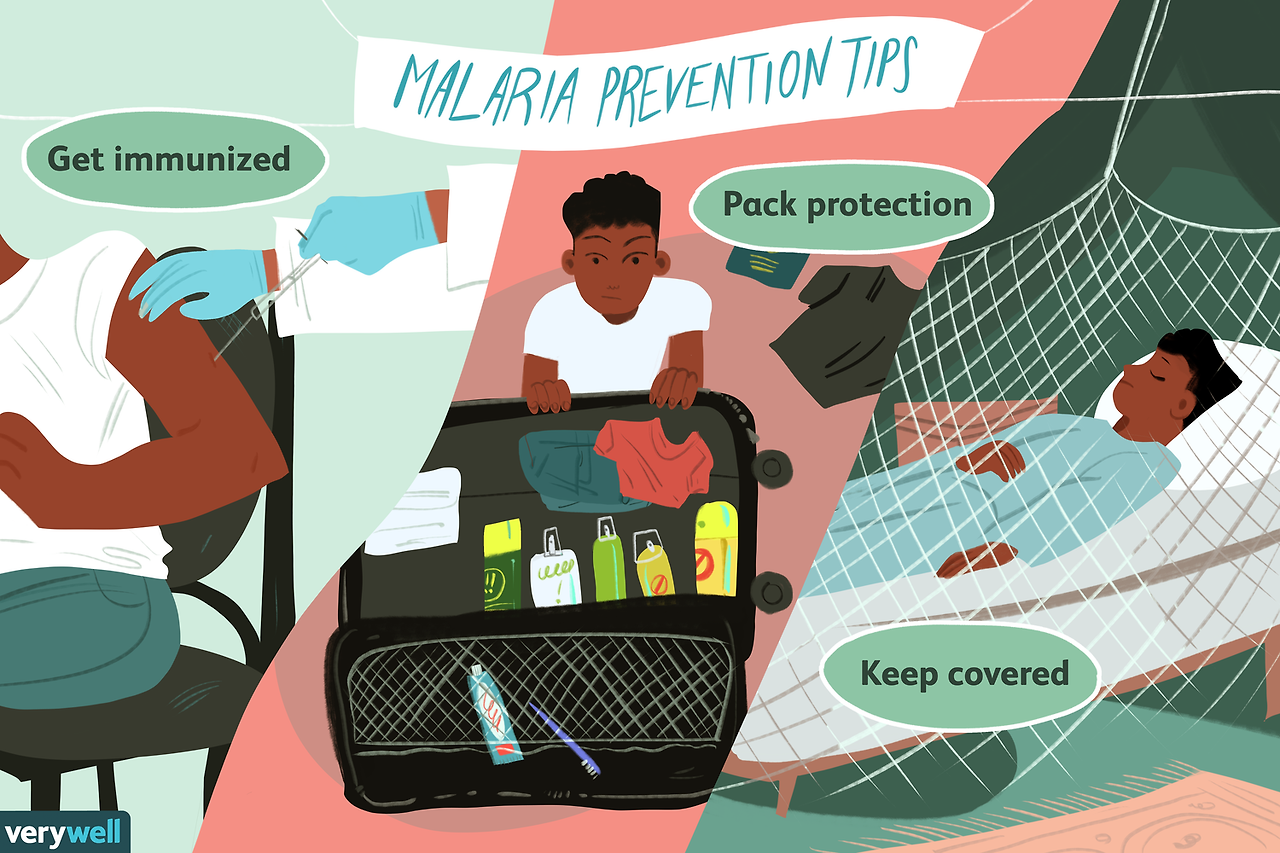
Unfortunately, there is no fully effective malaria vaccine available. Travelers must choose appropriate malaria prophylactic medications based on their destination. These prophylactic measures do not completely prevent malaria, meaning there is still a risk of contracting the disease even when taking medication. Symptoms can appear from one week to two months after exposure, so it is essential to monitor for fever during this period and get tested for malaria if symptoms occur. Additionally, prophylactic medications should be started one week before entering a high-risk area, continued regularly while in the area, and for one to four weeks after leaving. These medications can have side effects, so it is important to consult a doctor before use. Not all travelers to malaria-endemic countries need to take these medications, especially those staying in urban areas outside of Africa.
Misleading Information and Public Misconceptions
With the end of the rainy season and the onset of extreme heat, malaria cases are on the rise. It is projected that domestic malaria cases could exceed 500 by the end of the year. This has brought increased attention to malaria prevention measures.
Sadly, there is no significant benefit to a malaria vaccination. The existing malaria vaccines have an efficacy rate of less than 39% for general prevention and 29% for severe cases, barely surpassing natural immunity. Despite its limited effectiveness, the WHO has approved the malaria vaccine due to the high risk posed by the disease. However, relying solely on vaccination while traveling in malaria-endemic regions without taking proper precautions can be dangerous and even fatal. It is critical to remain vigilant and not be misled by false information spread by irresponsible bloggers.
Current Malaria Vaccine: Mosquirix
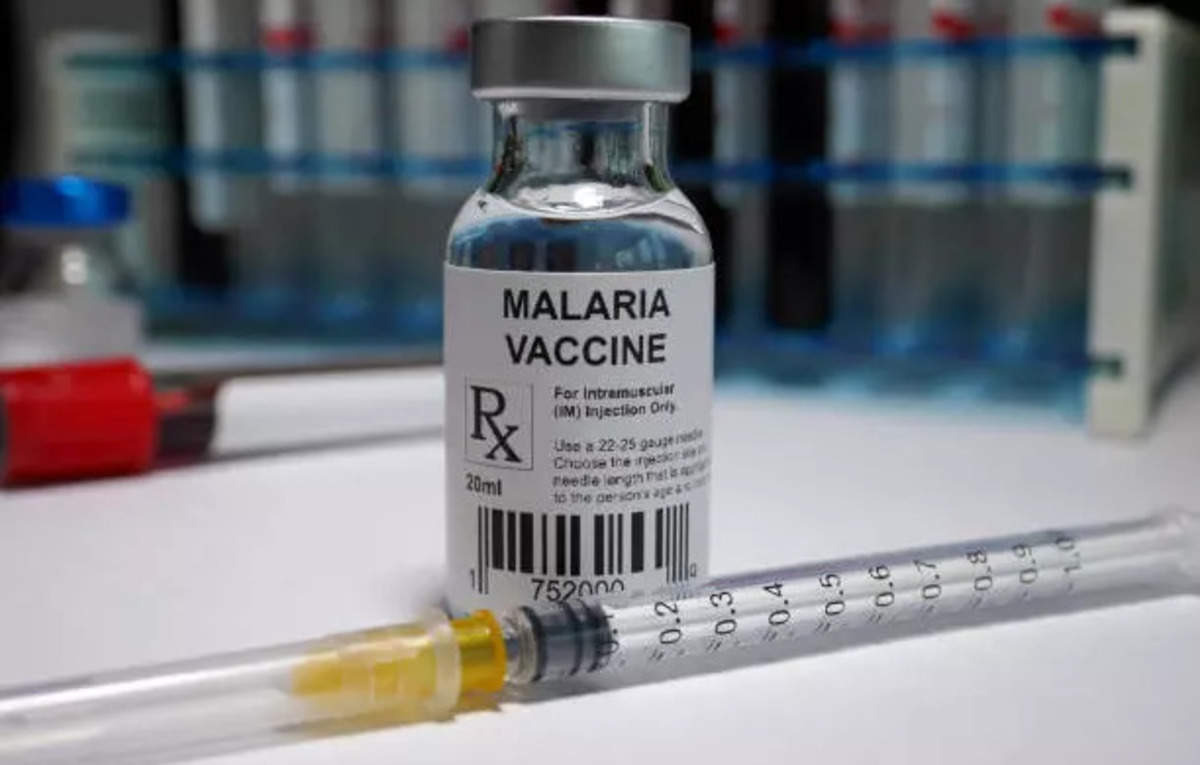
The first malaria vaccine, Mosquirix, developed through a collaboration between GlaxoSmithKline and the PATH Malaria Vaccine Initiative, was approved by the WHO on October 7, 2021. Despite its approval, the vaccine offers limited protection. It provides over 40% protection in children and is effective in preventing severe malaria, but its overall efficacy is only 39%, and it offers 29% protection against severe malaria. The vaccination schedule involves four doses: the first three doses at one-month intervals and a fourth dose 18 months later. The vaccine’s effectiveness diminishes over time, necessitating continuous management and additional doses. The cost per dose ranges from $2 to $4, totaling around $16 for the complete vaccination course.
The Need for Malaria Prophylactic Medications
Instead of relying on a vaccine, taking malaria prophylactic medications is crucial for prevention. These medications suppress the activity of the malaria parasite and help prevent infection. There are several types of prophylactic medications, each with different administration methods and potential side effects. Some commonly used medications include:
- Malarone (atovaquone/proguanil): Taken daily with minimal side effects.
- Doxycycline: Taken daily, can cause gastrointestinal issues and increased sensitivity to sunlight.
- Mefloquine: Taken weekly, but can cause neuropsychiatric side effects in some individuals.
- Chloroquine: Used in regions without chloroquine-resistant malaria.
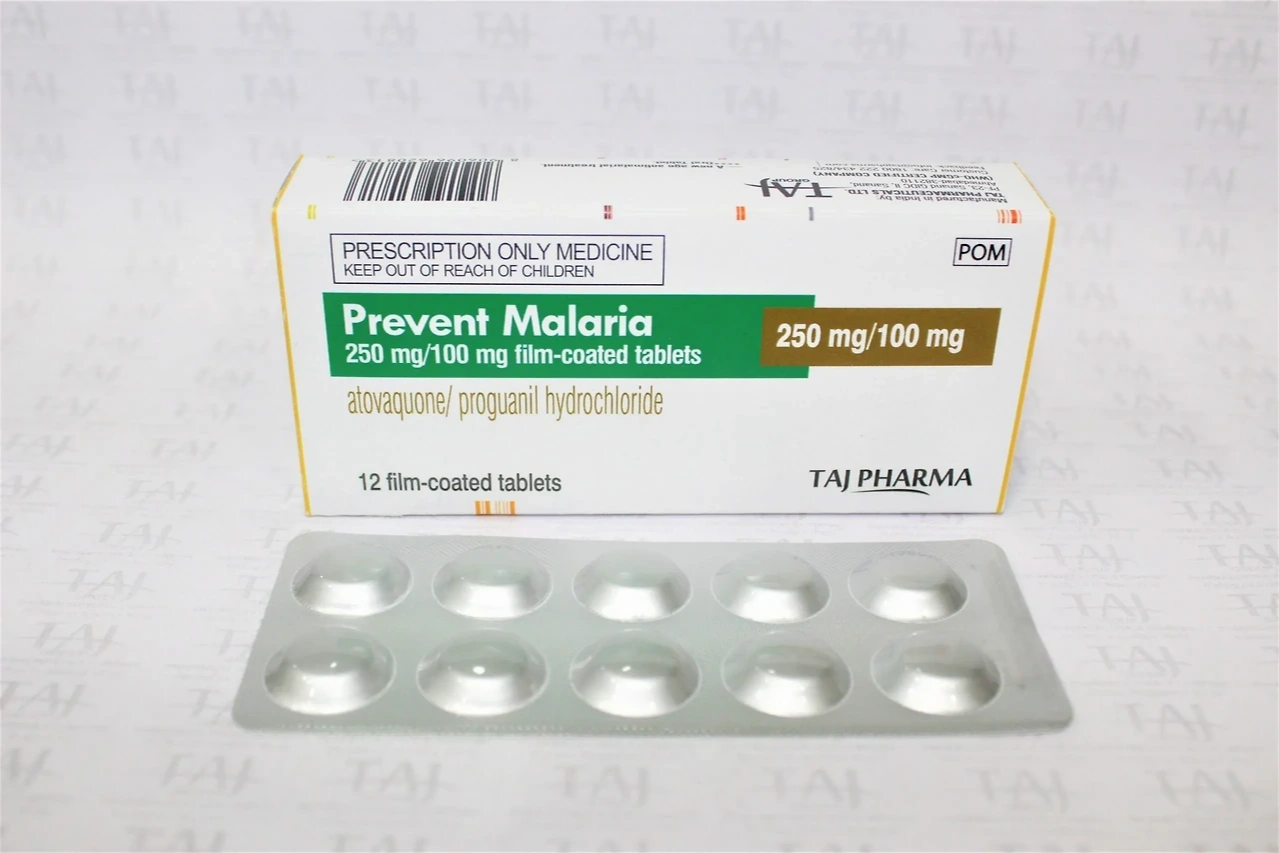
Prophylactic medications should be started one to two weeks before travel and continued for some time after returning, depending on the medication. The cost of prophylactic medications, even with insurance, is approximately 3500 KRW per pill, similar to the price of a daily iced coffee.
Additional Measures to Prevent Malaria
To effectively prevent malaria, additional measures should be taken alongside prophylactic medications:
- Use of insect repellents: Avoid going outside from evening to dawn when mosquitoes are most active. If you must go out, use insect repellent.
- Appropriate clothing: Wear light-colored, long-sleeved clothing to reduce mosquito bites.
- Use of mosquito nets: Sleeping under mosquito nets can provide additional protection.
Malaria Cases in South Korea
Malaria cases in South Korea have been increasing. According to the Korea Disease Control and Prevention Agency (KDCA), there were 387 malaria cases reported domestically from January to July this year, with the majority occurring in the capital region. The rise in outdoor activities during the summer vacation season has increased the likelihood of exposure to malaria-carrying mosquitoes.
Malaria in South Korea is primarily caused by the Plasmodium vivax parasite, transmitted by female Anopheles mosquitoes. Symptoms include high fever, chills, and fatigue, occurring in three-day cycles. Although the mortality rate is lower than tropical malaria, early detection and treatment are crucial.
Conclusion
There is no fully effective malaria vaccine available, making the correct use of prophylactic medications and additional preventive measures essential. Do not be misled by false information; rely on accurate and reliable sources to protect your health from malaria.
Keywords: malaria, vaccination, vaccine, Mosquirix, malaria prophylaxis, infection prevention, malaria cases, prophylactic medication, insect repellent, Korea Disease Control and Prevention Agency


댓글
댓글 쓰기