4 Reasons Why Kids Want an iPhone
4 Reasons Why Kids Want an iPhone
As smartphones become an essential part of everyday life, a growing number of children are expressing a clear preference for a specific brand: the iPhone. This trend has sparked heated discussions among parents and educators alike. Is it truly necessary to buy an expensive device like the iPhone for a child? Is a cheaper Android phone not enough?
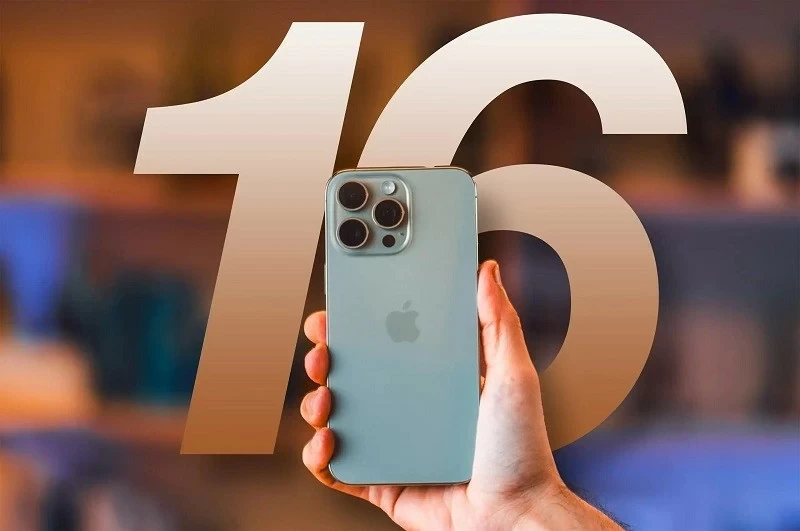
Despite the reasonable concerns about cost, screen addiction, and digital dependence, many children are insistent. They don’t just want a smartphone—they want an iPhone. In this article, we will explore the four key reasons why children today prefer iPhones over Android phones, drawing from real-life examples, social dynamics, and digital culture.
1. Everyone Else Has One: The Social Pressure Factor
One of the most cited reasons by children for wanting an iPhone is simple yet powerful: “Everyone else has one.”
To adults, this may sound like a weak justification, but in the social world of school-aged children, being “different” can lead to social isolation. According to recent data, nearly 70% of high school students in urban areas use iPhones. In some peer groups, that number climbs even higher. When a majority of peers own the same type of device, being the one outlier can feel alienating.
Children who don’t own iPhones may face difficulties participating in group activities that involve technology. For instance, if a group of friends is using an iOS-exclusive app, an Android user may be left out. This exclusion isn’t just about missing out on fun—it affects communication and connection. During adolescence, when peer acceptance is a key psychological need, such technological exclusion can feel deeply hurtful.
Moreover, there’s a kind of unspoken status symbol tied to the iPhone among children and teens. It’s not just a gadget—it’s part of how they fit into their social world. Without one, they may fear being judged as “uncool” or “poor,” even if those judgments are unspoken.
2. The Power of AirDrop and Shared Experiences
AirDrop is more than a file-sharing tool for kids. It’s a gateway into shared digital experiences. In classrooms, parks, and even during group projects, AirDrop is used to share videos, photos, memes, and documents—quickly and easily. Kids don’t need to connect on social media or exchange phone numbers; they just tap and send.
For Android users, this feature is virtually nonexistent in a mixed-device environment. Even apps like LINE or WhatsApp require contacts or impose limits on file size and duration—especially problematic for video-sharing, which is extremely popular among teens.
Imagine a scenario: A group of friends is filming a fun skit during lunch. The footage is instantly AirDropped to everyone’s phones—except one student’s. That student, using an Android phone, has to wait for a separate upload, receive a lower-quality file, or perhaps get forgotten entirely.
This exclusion, though seemingly trivial to adults, carries significant emotional weight for adolescents. Being part of the moment matters. And when that moment is shared through AirDrop, the iPhone becomes a ticket to inclusion.
3. Performance Matters: Gaming, Camera, and Reliability
Children today don’t just use smartphones to call or text. They game, create, edit videos, livestream, and engage in digital art. For such uses, performance matters—and here, the iPhone shines.
Many kids complain that their Android phones crash during gameplay or heat up quickly. Entry-level Android phones, while affordable, often lack the processing power needed for high-performance gaming or content creation. By contrast, even older iPhone models are optimized for better gaming experiences, smoother app performance, and higher-quality cameras.
In particular, the camera quality has become a dealbreaker for many teens. From school events to TikTok videos, having a high-quality camera directly impacts social media presence. For kids aiming to participate in digital culture—whether casually or seriously—the iPhone’s superior camera is a huge draw.
Of course, it’s not that Android phones can’t perform well. Many premium Android models surpass iPhones in specs. But most parents opting for Android choose low-cost models for their kids, which naturally come with performance compromises. Kids, however, don’t see it that way—they compare their experience to what their friends are using, and iPhones typically come out on top.
4. Aesthetic Appeal: Accessories, Personalization, and Identity
Let’s not underestimate the power of design and accessories. For many middle and high school girls especially, the iPhone is as much a fashion statement as it is a communication tool. The variety of stylish, fun, and expressive cases available for iPhones far outnumbers those for Android phones.
When students shop at trendy accessory stores, they’ll often find that the most fashionable items are made exclusively for iPhones. Whether it’s a glitter-filled clear case, a pastel-themed grip, or a bunny-ear bumper, the market heavily favors iOS-compatible products.
Beyond fashion, the iPhone also appeals because of its clean design, intuitive interface, and the prestige attached to the brand. Kids may not understand the inner workings of hardware and software, but they do understand the social perception of “cool.” Owning an iPhone aligns with their identity aspirations.
This desire to personalize a device that represents one’s personality is a powerful motivator. It’s not just about functionality—it’s about self-expression.
Should Parents Give In?
The debate over whether to buy a child an iPhone often centers on two points: price and responsibility. An iPhone is undeniably expensive, especially when compared to entry-level Android models. But some parents are finding compromises.
Buying a used iPhone can significantly reduce costs while still allowing children to participate in their digital peer group. With proper parental controls—most of which function best when both parent and child are on iOS—there’s also room for setting boundaries around usage time, app access, and screen time.
That said, not every child needs an iPhone. There are kids who prefer Android’s customization or who don’t care about social pressure. What matters most is not the brand of the phone, but the conversations parents have with their children about its purpose.
A smartphone should be a tool, not a trophy. It’s important to assess whether the device is enabling growth, creativity, and communication—or just acting as a status symbol. Ideally, the decision should come after an honest discussion about rules, expectations, and financial literacy.
Conclusion
Understanding why children want an iPhone isn’t about indulging their whims—it’s about recognizing the complex social, emotional, and digital worlds they live in. From peer pressure and file sharing to performance needs and aesthetic preferences, the iPhone represents more than just a device to them. It's a portal into their communities, their hobbies, and their self-expression.
Parents should balance empathy with practicality. Whether the choice ends in Android or iPhone, the key is thoughtful dialogue, mutual respect, and clear boundaries. And perhaps, a compromise—like a secondhand iPhone—can be the middle ground.
Keywords: iPhone for kids, smartphone peer pressure, AirDrop sharing, iPhone vs Android, student phone trends, kids and technology, teen digital culture, iPhone accessories, smartphone parenting, used iPhone solution


댓글
댓글 쓰기